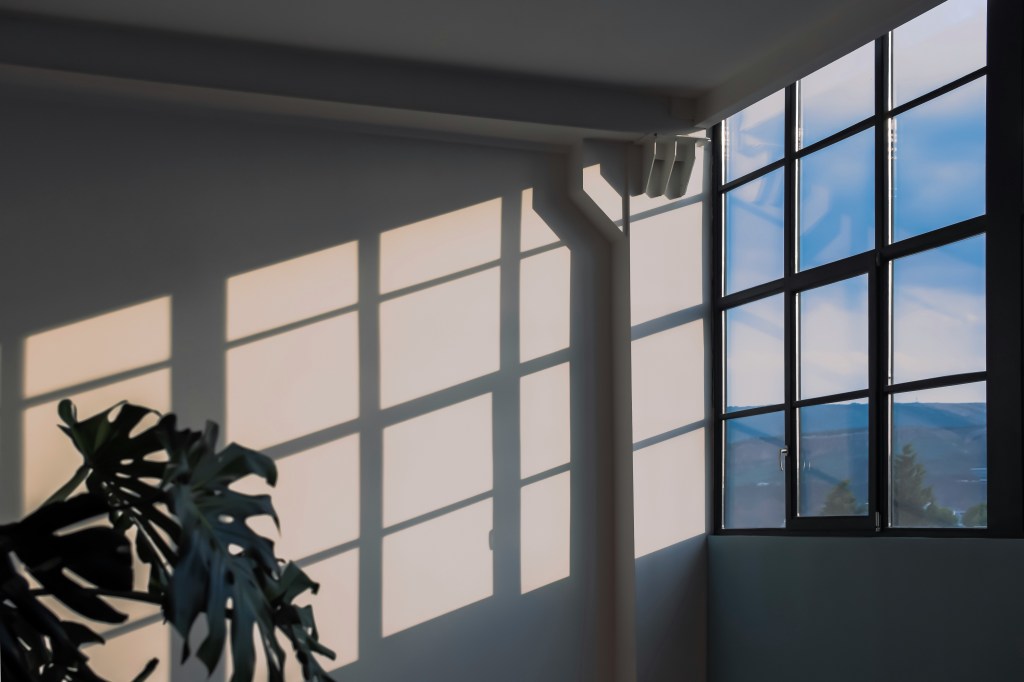
The air inside your home is often more polluted than the air outside. Many indoor air pollution sources at home are quieter than people think.
Most of us spend around twenty thousand breaths a day indoors. About 90 percent of our time. And for most of those hours, the air we are breathing is more polluted than the air on the street outside.
That is not a small claim. But it is one the research has been making for decades.
The US Environmental Protection Agency began studying this seriously in the 1980s. Their findings have been consistent. Indoor air contains two to five times higher concentrations of common organic pollutants than outdoor air. During activities like cleaning, painting, or using scented products, indoor levels can spike to a thousand times higher than what you would find outside.
We worry about traffic fumes. We talk about city smog. Almost no one talks about the air inside our homes.
And yet that is the air we breathe most.
Where Is It All Coming From
The honest answer is that indoor air pollution is not one big source. It is dozens of small ones, layered on top of each other, accumulating in rooms that often lack good ventilation.
Some of the sources are familiar. Smoke. Mould. Cooking.
But the more interesting ones, the ones most people miss, are hiding inside products and materials we use every day without thinking.
The Quiet Sources Worth Knowing
Cleaning products. Every time we spray a surface cleaner, we are releasing volatile organic compounds into the air of a closed room. Studies show that even cleaning products marketed as natural or green can release VOCs, and that the peak in indoor air pollution after cleaning can last for hours. The same is true of laundry detergents and fabric softeners, particularly the heavily fragranced ones.
Synthetic air fresheners and scented candles. This is one of the most surprising ones. We use them to make a room feel cleaner. But synthetic air fresheners do not freshen the air at all. They mask other smells while adding their own chemical compounds. Paraffin candles release particulate matter and trace amounts of benzene and toluene when burned. Plug-in fragrance diffusers pump compounds into the air around the clock.
If you walk into a room and immediately notice it smells like vanilla cupcake or fresh linen, you are smelling chemicals.
Paint, varnish, and finishes. A newly painted wall continues to off-gas for weeks. Sometimes months. The smell we recognise as fresh paint is literally the chemicals leaving the wall and entering our lungs.
Furniture and building materials. Flat-pack furniture made from MDF or particleboard is bonded with formaldehyde-based adhesives. New furniture has the highest off-gassing rates, particularly in the first few months. Stain-resistant coatings on rugs and curtains contain PFAS. Synthetic carpets release their own mix of compounds, especially when new.
Cooking, particularly with gas. Gas stoves release significant amounts of nitrogen dioxide and particulate matter. A 2022 Stanford study found that gas stoves leak methane and pollutants even when turned off. Without proper ventilation, a gas stove can produce indoor air pollution levels that would breach outdoor air quality standards if measured outside.
Personal care products. Hair sprays, perfumes, deodorants, body lotions. Bathrooms tend to be the most chemically concentrated rooms in our homes because ventilation is limited and product use is high.
Dust. Household dust is not just dirt. It accumulates everything that has shed from furniture, electronics, and textiles over time.
Flame retardants. Phthalates. PFAS. The people who spend the most time on the floor, especially babies, are exposed to the highest concentrations of what is in the dust.
The Most Effective Fix Is Free
When I first started reading about indoor air, the thing that surprised me most was not the chemistry.
It was that the simplest possible intervention turned out to be the most effective.
Open windows.
That is it. The most powerful thing anyone can do for the air in their home is to ventilate. Briefly. Daily. Even in winter, even for a few minutes, even on cold days.
Researchers studying indoor air consistently find that the homes with the cleanest air are not the ones with the most expensive purifiers. They are often just the ones with the best ventilation.
This is a quietly radical idea, because it means that the most important wellness intervention you can make for your home requires no products, no purchases, and no expertise. It requires noticing that the air needs to move.
What Else Actually Helps
Once you start ventilating regularly, a few other things make a meaningful difference.
Reducing synthetic fragrance is one of the easiest changes. Air fresheners and synthetic candles are simple to remove. A room can feel fresh without anything being added to the air.
Vacuuming with a HEPA filter actually removes particles instead of redistributing them. Damp dusting captures particles instead of stirring them. Using a range fan when cooking, particularly with gas, dramatically reduces what ends up in the air you breathe afterwards.
An air purifier with HEPA and activated carbon filters can be a useful addition, particularly in bedrooms. Not as a replacement for ventilation, but alongside it.
And when buying new things, paying attention to what is off-gassing makes a real difference over time. Solid wood off-gasses less than composite wood. Natural textiles release less than synthetic. Wool rugs release less than nylon.
A Different Way to Think About Your Home
There is something quietly powerful about realising that the air in your home is not just there. It is shaped by what you bring in. By what you spray, burn, store, and surround yourself with. By how often you let the outside in.
This is not a reason for alarm. The chemicals in indoor air are not at acute levels that would make anyone sick overnight. The concern is cumulative. Long-term. The slow accumulation of small exposures over decades.
But that also means the response is cumulative. Small changes, repeated daily, genuinely add up.
Open a window in the morning. Choose unscented when you can. Notice what is off-gassing in your home and decide what feels worth changing.
That is the whole practice, really. Paying attention to the air you are breathing every day, and treating it like it matters.
Because it does.
If this resonated with you, you might also enjoy reading why the air in your home matters and what you can gently do about it or what the word fragrance is actually hiding.
🌿
 OUREVIA
Leave a comment